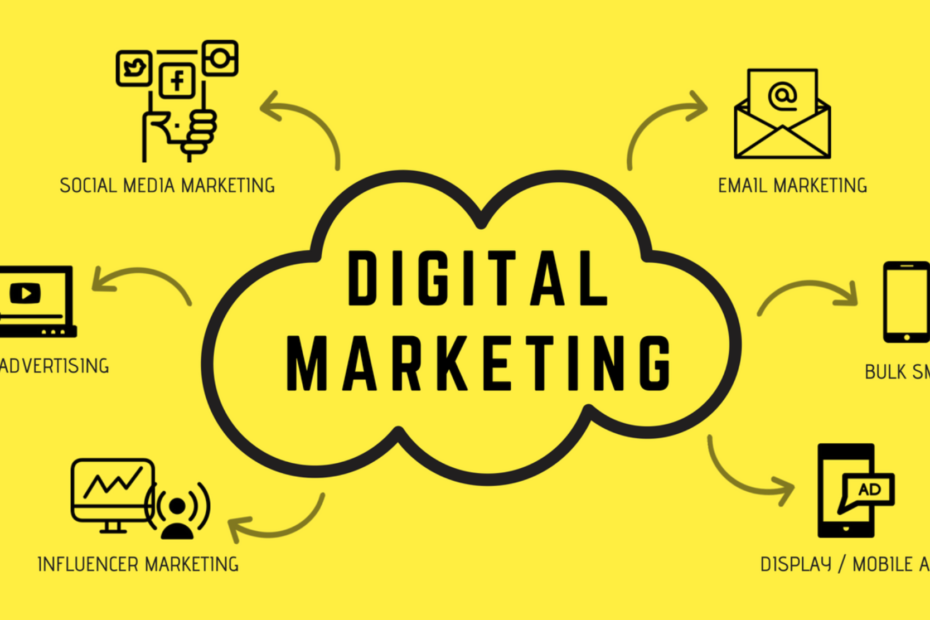
Digital marketing has become the backbone of business growth in today’s fast-paced, internet-driven world. Whether you are a small business owner, a marketing professional, or a budding entrepreneur, understanding digital marketing is essential to building brand awareness, generating leads, and driving sales. In this comprehensive guide, we’ll explore what digital marketing is, its core strategies, emerging trends, and actionable tips to help you succeed online.

What is Digital Marketing?
Digital marketing refers to promoting products or services using digital channels such as search engines, social media platforms, email, websites, and mobile apps. Unlike traditional marketing, digital marketing allows businesses to reach a global audience, track campaigns in real-time, and tailor messaging based on user behavior.
Key Components of Digital Marketing Include:
- Search Engine Optimization (SEO): Optimizing your website to rank higher on Google and other search engines.
- Content Marketing: Creating valuable content to attract, engage, and convert customers.
- Social Media Marketing: Promoting brands on platforms like Facebook, Instagram, LinkedIn, and TikTok.
- Email Marketing: Sending personalized messages to nurture leads and retain customers.
- Pay-Per-Click (PPC) Advertising: Using paid ads on Google, Bing, or social media for immediate traffic.
- Affiliate Marketing: Partnering with influencers or other businesses to drive sales.
- Video Marketing: Leveraging YouTube, TikTok, and short-form video content to engage audiences.
Digital marketing offers measurable results, cost-effectiveness, and the flexibility to adjust campaigns quickly based on analytics, making it indispensable for modern businesses.
Why Digital Marketing is Crucial in 2025
- Growing Online Presence: The majority of consumers research online before making a purchase. A strong digital marketing strategy ensures your brand is visible where customers are searching.
- Cost-Effective Advertising: Compared to traditional media, digital marketing provides better ROI by targeting audiences based on demographics, interests, and behavior.
- Measurable Performance: With tools like Google Analytics and social media insights, businesses can track campaign performance, optimize strategies, and maximize results.
- Customer Engagement: Digital channels allow brands to interact directly with their audience, building trust and loyalty.
- Competitive Advantage: Businesses investing in digital marketing often outperform competitors who rely solely on offline strategies.
Core Digital Marketing Strategies
1. Search Engine Optimization (SEO)
SEO is the foundation of any digital marketing strategy. It involves optimizing your website to rank higher in search engine results pages (SERPs), driving organic traffic to your site.
Key SEO Practices:
- Keyword Research: Identify terms your target audience is searching for. Tools like Ahrefs, SEMrush, and Google Keyword Planner are essential.
- On-Page SEO: Optimize page titles, meta descriptions, headings, and content structure.
- Technical SEO: Improve site speed, mobile-friendliness, and site architecture for better indexing.
- Content Optimization: Produce high-quality content that satisfies user intent and includes relevant keywords.
- Link Building: Acquire backlinks from authoritative sites to boost domain authority.
SEO is a long-term strategy, but consistent efforts can yield sustainable traffic and leads.
2. Content Marketing
Content marketing focuses on creating and sharing valuable content to attract and retain customers. High-quality content positions your brand as an authority in your niche.
Popular Content Marketing Formats:
- Blog posts and articles
- Infographics and visual guides
- E-books and whitepapers
- Case studies and success stories
- Podcasts and webinars
Tips for Effective Content Marketing:
- Understand your audience’s pain points.
- Incorporate SEO keywords naturally.
- Use storytelling to make content relatable.
- Include calls-to-action (CTAs) to drive conversions.
3. Social Media Marketing
Social media platforms are powerful tools to connect with your audience, promote products, and build brand awareness.
Effective Social Media Marketing Strategies:
- Platform Selection: Focus on platforms where your target audience is most active.
- Content Variety: Mix posts, stories, reels, videos, and polls to engage users.
- Paid Social Ads: Boost visibility through targeted campaigns.
- Community Engagement: Respond to comments, participate in discussions, and build a loyal community.
4. Email Marketing
Email marketing remains one of the most effective ways to nurture leads and convert them into customers. Personalized emails lead to higher open and click-through rates.
Tips for Successful Email Campaigns:
- Segment your audience based on interests or behavior.
- Personalize subject lines and content.
- Include a clear call-to-action.
- Automate campaigns for timely delivery.
5. Pay-Per-Click (PPC) Advertising
PPC allows businesses to place ads on search engines or social media and pay only when a user clicks. Google Ads, Facebook Ads, and LinkedIn Ads are popular options.
Benefits of PPC:
- Instant traffic and visibility
- Highly targeted advertising
- Measurable ROI
Tips for PPC Success:
- Conduct keyword research for ad targeting.
- Optimize landing pages for conversions.
- Monitor campaigns regularly and adjust bids accordingly.
Emerging Digital Marketing Trends in 2025
- Artificial Intelligence (AI) and Automation: AI-powered tools can create content, automate email campaigns, and analyze data faster than ever.
- Voice Search Optimization: With smart speakers becoming ubiquitous, optimizing for voice search is crucial.
- Video-First Content: Short-form videos are dominating social media engagement. Platforms like TikTok, Instagram Reels, and YouTube Shorts are essential.
- Personalization: Customized user experiences increase engagement and conversion rates.
- Interactive Content: Quizzes, polls, AR filters, and interactive infographics are gaining popularity.
- Sustainability Marketing: Consumers are increasingly drawn to brands promoting eco-friendly practices.
Measuring Digital Marketing Success
Tracking performance is key to improving results. Key performance indicators (KPIs) include:
- Website traffic and user behavior
- Conversion rate and ROI
- Social media engagement metrics
- Email open and click-through rates
- Search engine rankings
Tools like Google Analytics, SEMrush, HubSpot, and Hootsuite make tracking and analyzing data easier, helping marketers optimize strategies.
Common Digital Marketing Mistakes to Avoid
- Neglecting SEO: Without SEO, your content may never reach your target audience.
- Ignoring Mobile Optimization: Mobile traffic now surpasses desktop in many sectors.
- Overlooking Analytics: Failing to track performance can waste time and money.
- Inconsistent Branding: Maintain consistent messaging across all channels.
- Focusing Only on Sales: Prioritize providing value, not just selling products.
Conclusion
Digital marketing is no longer optional; it’s essential for business growth in 2025. By combining SEO, content marketing, social media, email, and PPC strategies, businesses can attract the right audience, build trust, and drive conversions. Staying updated with trends, leveraging emerging technologies, and analyzing performance are key to long-term success.
Investing time and resources into digital marketing not only ensures higher visibility but also creates a sustainable competitive advantage in the digital-first world. Start optimizing your strategy today and watch your business thrive online.