What is SEO? A Comprehensive Guide for 2025
Welcome to the RSA Marketing blog! At RSA Marketing, we specialize in helping businesses thrive online through strategic digital marketing solutions. In this in-depth guide, we’ll explore the fundamentals of Search Engine Optimization (SEO), its evolution, and how you can leverage it to boost your online presence in 2025. Whether you’re a beginner or looking to refine your strategy.
Search Engine Optimization, commonly known as SEO, is the practice of enhancing a website’s visibility on search engines like Google, Bing, and others. In simple terms, SEO involves optimizing your site’s content, structure, and external factors to rank higher in search results for relevant queries. With over 8.5 billion searches conducted daily on Google alone, mastering SEO can drive organic traffic, increase leads, and ultimately grow your business without relying solely on paid ads.

In 2025, SEO is more dynamic than ever, influenced by AI advancements, voice search, and user experience signals. This guide will break down what SEO is, why it matters, and how to implement it effectively. By the end, you’ll have a solid foundation to start or improve your SEO efforts.
The History of SEO: From Keywords to AI-Driven Algorithms
SEO’s roots trace back to the mid-1990s when search engines like Yahoo! and AltaVista emerged. Early SEO focused on keyword stuffing cramming as many keywords as possible into content to manipulate rankings. However, as search engines evolved, so did SEO practices.
Google’s launch in 1998 revolutionized the field with its PageRank algorithm, which evaluated site authority based on backlinks. Major updates like Panda (2011) penalized low-quality content, while Penguin (2012) targeted spammy links. By the 2010s, mobile-friendliness became crucial with Mobilegeddon (2015), and HTTPS security was emphasized.
Fast-forward to 2025: Google’s algorithms now incorporate AI through systems like RankBrain and MUM (Multitask Unified Model), which understand context and user intent better than ever. SEO has shifted from technical tricks to creating valuable, user-centric content. Voice assistants like Siri and Alexa have popularized conversational queries, while E-A-T (Expertise, Authoritativeness, Trustworthiness) remains a core ranking factor, especially post the Helpful Content Update.
Understanding this history helps appreciate why modern SEO prioritizes quality over quantity. Businesses ignoring these shifts risk falling behind competitors.
How SEO Works: The Core Mechanisms
At its core, SEO works by aligning your website with how search engines crawl, index, and rank content. Search engines use bots (crawlers) to discover pages, then index them in vast databases. When a user searches, algorithms retrieve and rank results based on relevance, authority, and user signals.
Key elements include:
- Crawling and Indexing: Ensure your site is accessible via a sitemap and robots.txt file. Tools like Google Search Console help monitor this.
- Ranking Factors: Over 200 factors influence rankings, including content quality, page speed, mobile optimization, and backlinks.
- User Intent: Modern SEO focuses on matching searcher intent—informational, navigational, commercial, or transactional.
In 2025, AI enhances this process, with features like Google’s Search Generative Experience (SGE) providing AI-summarized answers directly in results. To succeed, optimize for featured snippets, zero-click searches, and rich results like images or videos.
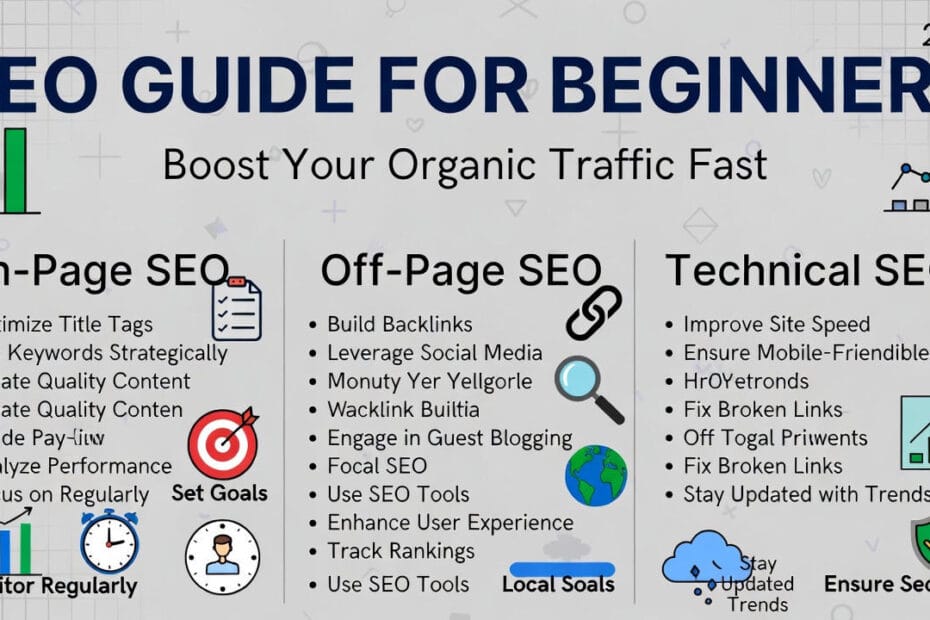
Types of SEO: On-Page, Off-Page, and Technical
SEO isn’t one-size-fits-all; it’s divided into three main categories:
On-Page SEO
This involves optimizing elements within your website. Key practices include:
- Keyword Research: Use tools like Google Keyword Planner or Ahrefs to find terms with high search volume and low competition. Target long-tail keywords like “what is SEO for beginners in 2025.”
- Content Optimization: Write high-quality, original content with keywords in titles, headers, and naturally throughout the text. Aim for readability with short paragraphs and bullet points.
- Meta Tags: Craft compelling title tags (50-60 characters) and meta descriptions (150-160 characters) to improve click-through rates.
- Internal Linking: Connect related pages to distribute link equity and guide users.
On-page SEO directly impacts how search engines interpret your content’s relevance.
Off-Page SEO
Off-page focuses on external signals, primarily backlinks from reputable sites. Strategies include:
- Link Building: Earn links through guest blogging, partnerships, or creating shareable content like infographics.
- Social Signals: While not direct ranking factors, shares on platforms like X (formerly Twitter) can amplify visibility.
- Brand Mentions: Unlinked mentions (citations) build authority.
In 2025, quality trumps quantity—focus on links from high-domain-authority sites.
Technical SEO
The backbone of SEO, technical aspects ensure your site is crawlable and user-friendly:
- Site Speed: Compress images and use CDNs; aim for under 3-second load times.
- Mobile Optimization: Adopt responsive design for seamless mobile experiences.
- Schema Markup: Add structured data to enable rich snippets.
- Security: Use HTTPS to protect user data.
Tools like Screaming Frog or SEMrush can audit technical issues.
Integrating these types creates a holistic SEO strategy.
The Importance of SEO in 2025
Why invest in SEO? Organic search drives 53% of website traffic, far outpacing paid channels. It’s cost-effective long-term, building sustainable growth. In a post-cookie world, SEO helps personalize experiences without invasive tracking.
For businesses, higher rankings mean more visibility, trust, and conversions. With AI search evolving, SEO ensures your content appears in AI-generated summaries. Neglecting SEO risks invisibility in a competitive digital landscape.
SEO Best Practices for Success
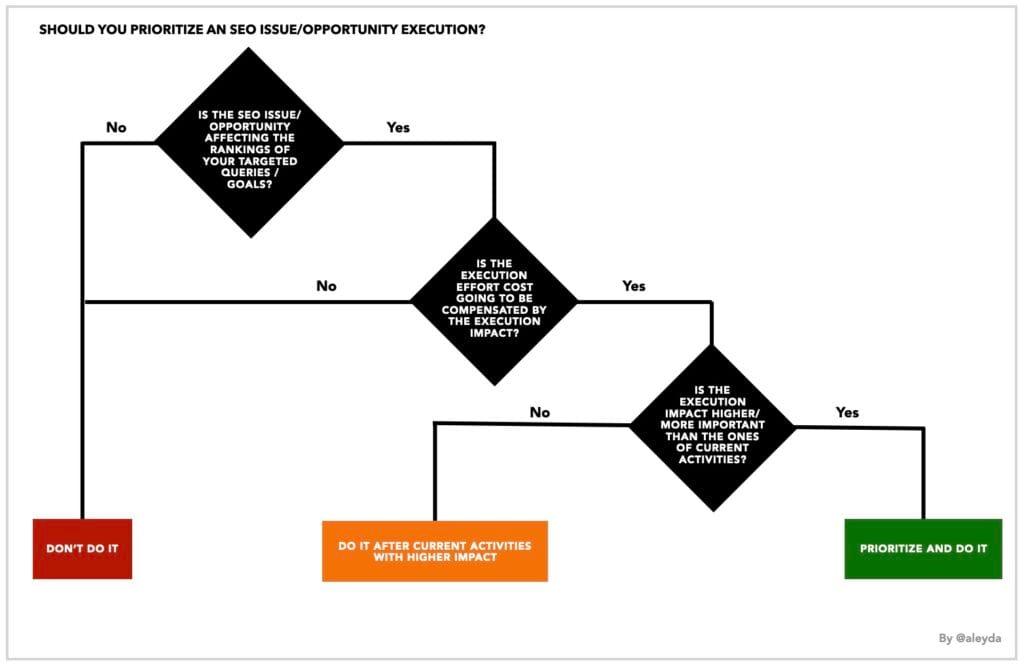
To optimize effectively:
- Conduct Thorough Keyword Research: Identify primary and secondary keywords.
- Create Valuable Content: Focus on E-E-A-T (Experience, Expertise, Authoritativeness, Trustworthiness) by including author bios and references.
- Optimize for User Experience (UX): Use clean navigation, fast loading, and engaging visuals.
- Leverage Local SEO: For brick-and-mortar businesses, claim Google Business Profile and optimize for “near me” searches.
- Monitor and Adapt: Use analytics to track performance and adjust to algorithm updates.
In 2025, prioritize video SEO, as YouTube is the second-largest search engine, and integrate AI tools for content creation.
Essential SEO Tools
Equip yourself with these tools:
- Google Analytics and Search Console: Free for tracking traffic and issues.
- Ahrefs or SEMrush: For competitor analysis and backlink tracking.
- Yoast SEO (for WordPress): Guides on-page optimization.
- Screaming Frog: Crawls sites for technical audits.
These icons represent the ecosystem of SEO tools available.
Common SEO Myths Debunked
Myth 1: SEO is a one-time task. Reality: It’s ongoing due to algorithm changes.
Myth 2: More keywords mean better rankings. Reality: Over-optimization leads to penalties.
Myth 3: SEO is dead with AI. Reality: AI enhances SEO, but human-crafted content still reigns.
The Future of SEO
Looking ahead, SEO will integrate more with AI, voice search, and augmented reality. Zero-click searches may rise, emphasizing featured snippets. Sustainability and ethical practices, like reducing carbon footprints via efficient sites, could become factors.
Stay agile by following industry leaders and testing new tactics.
Conclusion
In summary, SEO is the art and science of making your website discoverable and valuable to both search engines and users. From its humble beginnings to the AI-powered landscape of 2025, SEO remains essential for online success. By implementing on-page, off-page, and technical strategies, using the right tools, and avoiding common pitfalls, you can achieve higher rankings and drive meaningful traffic.
At RSA Marketing, we’re here to help. Contact us at https://rsamarketing.online/ for personalized SEO services tailored to your business needs. Start optimizing today and watch your online presence soar!